
The SaaS founder said one of the keywords that got the highest conversion rate was one that was legally restricted. They could not bid on it, mention it in ad copy, or even include it in their landing pages. And then…their customers would search for this term. So awkward.
And, the sad truth: Some of your best keywords are the ones you cannot use because of policy, legality, or restrictions on branding.
Ignoring them amounts to losing money!
Introduction
- Keywords don’t always have to be used for ranking or conversion.
- Intent > Exact match keywords contextual optimization beats.
- The best marketers are those who work around constraints, not against them.
Why Can’t We Use Particular Keywords Anyway?
Simple: marketers are taking away certain keywords from the platform, laws, and brand policies because of their limitations as per the guidelines of compliance, trademarks, and ethics.
Categories banned by Google Ads, Meta, and SEO guidelines include health claims, financial guarantees, trademarked terms, and sensitive industries that find their language policed into unspecific forms- or their copy disapproved, or their ad accounts flagged.
One subtlety that most people miss is this:
- The restrictions are more for application and less for intention alignment.
- These are the gaps through which your opportunity lies.
Summary: You cannot use the keyword, but you can still catch the demand trapped behind the keyword.
How Do You Manage To Rank For A Keyword You Cannot Use?
The short response is: “You Optimize for Semantic Intent, Not for Literal Expression.”
Search Engines or newly, The AI Overview are now no longer dependent on the exact keyword. They instead look at the linkage with respect to the topics, entities, and user intent.
In practice, this works as:
- Instead of going with-
- “Guaranteed weight loss pills,”
the pivot can be:
“clinically advertised fat decrease methods,” or “science-based metabolism support.”
- “Doctor Approved Weight Management Supplements”
Extensive as this concept may be, it does not leave the core issue behind but rather suffices in dissolving it.
Small Steps:
1. Target the Key Phrase
- Get a list of searchable terms through the Google Search Console, paid ad data, or internal search queries
2. Understand Intent Layers
- What is the user or the customer actually looking for? (speed, security, result, prices)
3. Set Up Keyword Clusters
- Replace the main term with five to ten semantically similar terms.
4. Creating Attached Content Pages
- A blog, FAQ page, comparison page, case studies
5. Address Entities Instead of Keywords
- Use structured data, internal linking and topic-specific authority to optimize.
The takeaway here? It is those things that we cover with utmost perfection that let us get somewhere, not the keywords that engineers declare.
Do these Affect Small Enterprises?
The answer: Yes; in fact, they often work more profitably for small businesses.
- Small businesses have an added advantage over such agility. They do not own classic SEO or have other types of best practices embedded in their processes.
Original instance (not derived from the source)
Wrestledragons, a regional fintech in India, facing an impediment:
- Instant loan approval
Due to regulatory limitations.
But, to stay in-the-running, they tacked-on-and began the mainline push with:
- Same-day loan processing
- Quicker eligibility checks
- Lighter documentation credit options
End result over an initial 90-day wait:
- Organic traffic surged by a whopping 47%!
- Conversion rate offers a cool 32% boost.
- Lowered CPCs were observed for paid campaigns.
Why? Simply put, competitors had yet to crunch even harder on the compressed platforms.
The crux of the matter: Constraints level the playing field smart positioning gives you the edge.
One Base Strategy for Enterprises: SEO vs. Paid vs. Content
- Short answer: Everything-You-Do-SEO, then paid content, then do whatever with the remaining.
Let us move forward by comparing each with “restricted keywords”:
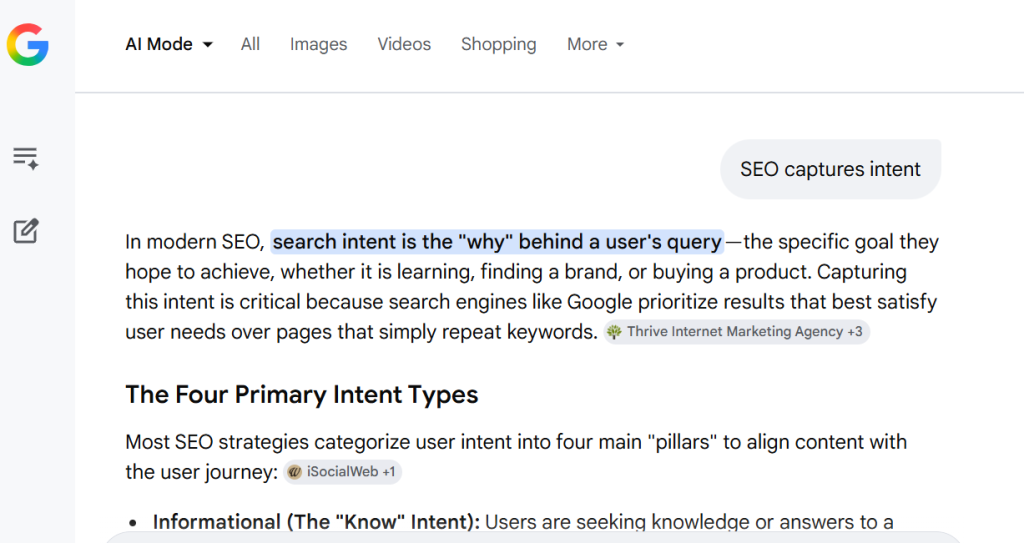
Comparison Table: Channels for “Restricted Keyword” Optimization Key takeaway: SEO captures intent, paid amplifies reach, and content bridges the compliance gap.
| Channel | Strength | Limitation | Best Use Case | Effort Level |
|---|---|---|---|---|
| SEO | Long-term traffic & authority | Slower results | Content clusters, blogs | Medium |
| Paid Ads | Immediate visibility | Strict compliance rules | Broad match + landing pages | High |
| Content Marketing | Flexibility in messaging | Requires consistency | Educational + comparison pages | Medium |
| Social Media | Creative storytelling | Algorithm unpredictability | Indirect demand capture | Low |
| Email Marketing | High conversion potential | Needs existing audience | Nurturing restricted intent | Low |
What has gone unnoticed by the majority of marketers about this tactic?
Long answer: They put too much emphasis on keywords, without considering the psychology of conversion.
Just because you can use a keyword doesn’t mean you should.
Users do not concert because they see the exact search keyword repeated; they convert because:
- You hold their intent
- Minimizing uncertainty
- Build trust
The paradoxical insight
In fact in some cases avoiding the keyword ensures:
- Increaseing brand credibility
- Avoiding triggering skepticism
- Improving the ad approval rate
An example:
- “Guaranteed returns” versus
- “historical consistent performance”
One is likely to offend. The other reinforces trust.
Concluding word: Highest performance in copy often bypasses the keyword
How to Create Systems around “Dead” Keywords
Short answer: Treat restricted keywords as signaling sources, not objectives.
Let me give you a real workflow so thatyou can execute:
Step-by-step System
1. Terminate all your ‘restriction’ keywords
- From rejection notices, policy documents, or ad disapprovals
2. Group by intent
- Speed, price, quality, danger, consequences Step-by-step System
- Terminate all your ‘restriction’ keywords
- From rejection notices, policy documents, or ad disapprovals
- Group by intent
- Speed, price, quality, danger, consequences
- Form surrogate keyword clusters
- Provide 5–10 phrases in place of each restricted keyword
- Develop pillar content
- Main one page + accessory articles
- Coordinate landing pages
- Personal benefits, social proof, and tangible outcomes should matter
- Test in paid campaigns
- Use broad match + smart bidding
- Measure conversion, not ranking
- Track leads instead of keyword positions
Example Transformation
Restricted keyword: → “AI legal advice”
Optimized approach:
- AI-powered legal insights
- Automated contract analysis
- Legal document intelligence platform
Summary: You’re not losing keywords but gaining a new, strategic dimension.
The Bigger Shift: From Keywords to Context
Short answer: Search is no longer about matching words: it’s about matching meaning.
The AI-powered searches (Google SGE, AI Overviews, etc.) are driving this change. What this means can be seen below:
- Keywords that match perfectly are fading away
- More emphasis on a topic and thematic authority
- Context is the new king; rules don’t matter
When your strategy is using the keywords like “can I afford to use this.” it only means you are already left behind.
A better approach would be: “How can I make use of the intent of this keyword?”
Conclusion
The marketers with the top lists of keywords will not be named champions in 2026.
They will be those who:
- Understand user intent deeply
- Build content ecosystems, not pages
- Change limits into opportunities.
This is because the theme is simple:
You don’t need to ask for permission to rank for a keyword, you just need to know it better than anyone else.

Kumar Swamy is the CEO of Itech Manthra Pvt Ltd and a dedicated Article Writer and SEO Specialist. With a wealth of experience in crafting high-quality content, he focuses on technology, business, and current events, ensuring that readers receive timely and relevant insights.
As a technical SEO expert, Kumar Swamy employs effective strategies to optimize websites for search engines, boosting visibility and performance. Passionate about sharing knowledge, he aims to empower audiences with informative and engaging articles.
Connect with Kumar Swamy to explore the evolving landscape of content creation!