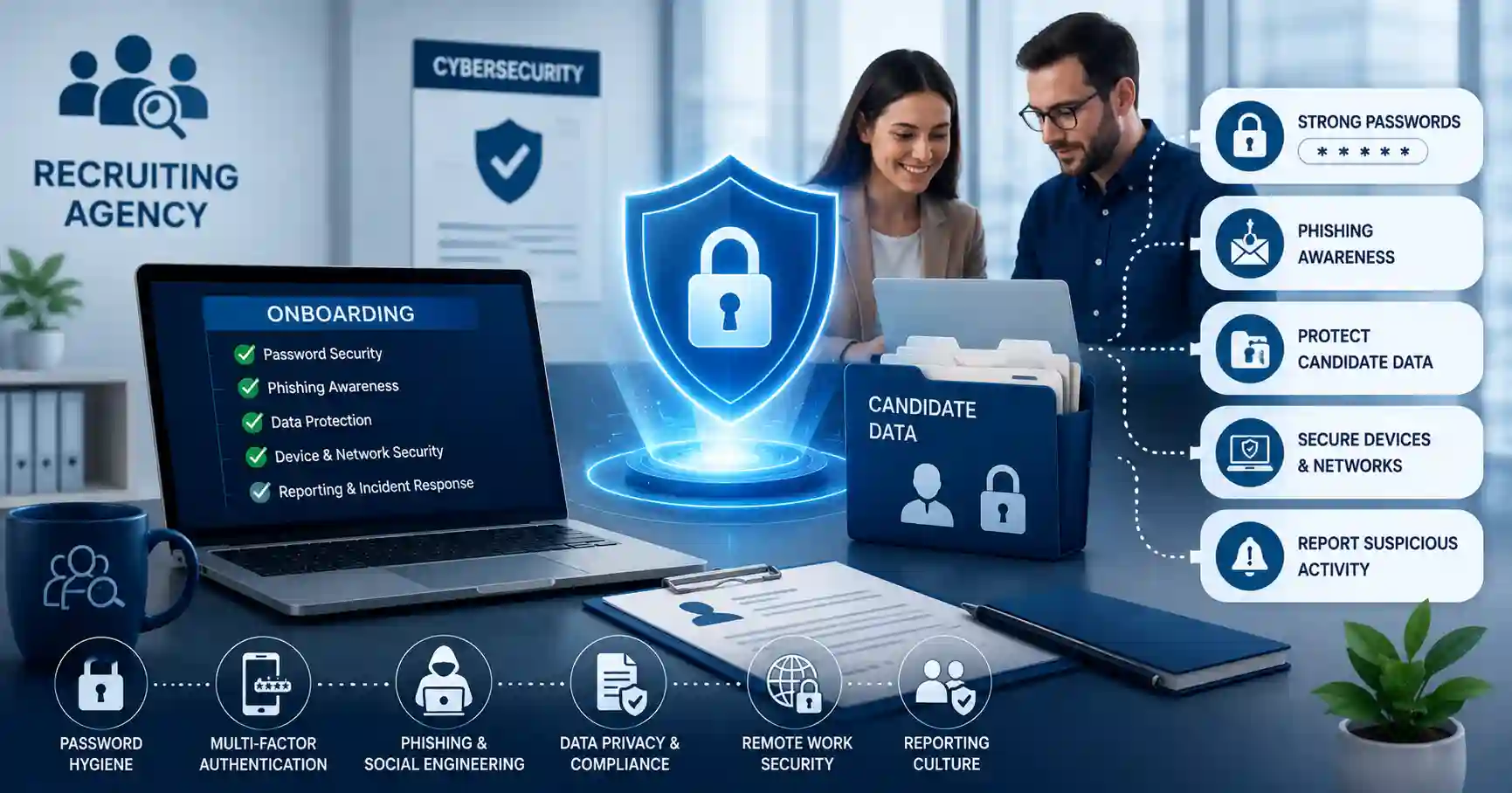
Recruiting outfits, they really do deal with an odd stew of confidential stuff, way more than your average business. Seriously. Resumes, national IDs, past salaries, background checks, references, even medical records and immigration papers, all of it just lands on their digital doorstep, often on some random Tuesday. That alone slaps a gigantic bullseye on their operation for any ne’er-do-well looking to pilfer private info. It’s why everyone, right from their very first day, needs a hefty dose of cybersecurity. Before they touch a candidate file.
The aim isn’t to morph every new hire into a tech genius, obviously. It’s to root them firmly in the actual risks they’ll encounter and the daily practices that safeguard client and candidate data. Onboarding? That’s the prime window for cementing these behaviors. What takes hold in that first week often endures for ages. Pass up this chance, and you’re essentially just wishing folks will somehow figure it out eventually, probably after a goof.
So, here’s the rundown of what proper onboarding should genuinely entail.
Why Recruiting Agencies Are a Target
Recruiters are basically sitting on a fortune in personal data. Think about it. An applicant tracking system alone could have thousands of resumes, Home addresses. Phone numbers, A whole decade of work history. Now, pile on background checks, tax forms, even bank details for payroll. That’s exactly the kind of data set that goes for top dollar on the dark web.
Small and mid-sized agencies? They’re often seen as soft targets compared to the big staffing corporations, Why? Smaller IT budgets, less security staff. Attackers know this, naturally. So, phishing emails looking like job applications, fake candidate portals, nasty attachments disguised as resumes, those are all common plays, aimed right at recruiters. Opening weird files is, after all, part of their job.
New hires, they walk in not knowing any of this. Cybersecurity feels like a problem for someone else, but that’s exactly what onboarding needs to fix, right away.
Password and Account Hygiene
It sounds basic, yet sloppy passwords trigger the bulk of data breaches in the staffing world. Drill this in immediately:
Strong, genuinely unique passwords are non-negotiable. Push the company-approved password vault; do not let people trust browser autofill or, worse yet, a dusty Post-it stuck to the monitor frame.
Turn on multi-factor authentication across every tool housing candidate details or client profiles. Every single one. That means your ATS, email accounts, shared network volumes, all of it.
Spell out the real fallout of recycling credentials. If a recruiter uses an identical login for their personal shopping site and work desktop, one leaked database from a third-party breach hands bad actors an unhindered, golden key directly into your agency network. You would think that goes without saying.
Recognizing Phishing and Social Engineering
Recruiters spend all day emailing total strangers. They click links from unknown senders and open files named resumefinalv2. pdf without blinking an eye. That exact habit makes phishing remarkably effective here. Training must tackle this head-on rather than recycling generic examples from unrelated sectors.
New hires need practical practice spotting actual warning signs. Think mismatched sender addresses, sudden pressure to shift payment info, deceptive links, and weird file types. Some agencies run simulated phishing tests in month one, dropping a safe lure into the inbox just to check reactions. It is a low-stress way to teach the lesson before a real breach hits. This kind of practical training is particularly useful because phishing and social engineering attacks often rely on convincing emails, fake login pages, and pressure tactics rather than sophisticated technical exploits.
Voice and text scams deserve attention too. Fraudsters now call or text recruiters acting as clients or candidates solely to steal login credentials or redirect cash. A simple heads-up during onboarding takes seconds and prevents massive headaches down the road.
Handling Candidate Data Responsibly
Recruiters handle deeply personal details, and every single record carries massive legal and ethical weight. New staff must grasp core data privacy mandates, whether that means European GDPR regulations, California state laws, or local statutes. They need to see how these abstract rules actually govern their daily routines.
Plain truth: practical guidance beats dense legibility every time. Fresh hires need direct answers, How long do we keep a resume once a job is filled? Who can even look at a candidate’s background check? What if someone demands their file be completely erased? When agencies ignore this, candidate data scatters everywhere across personal laptops, sloppy spreadsheets, and forwarded emails, transforming a routine compliance slip into an absolute security disaster.
Cybersecurity education cannot be a one-time onboarding event. Many firms hold quick quarterly refreshers, analyzing recent headline breaches or training staff on emerging phishing tactics. This constant reinforcement keeps data protection from becoming a mindless checkbox. Building safe digital habits from day one, like swapping email attachments for encrypted file portals, establishes a secure mindset that lasts throughout an employee’s entire tenure with the company.
Secure Use of Devices and Networks
Remote and hybrid work is standard practice in recruiting now. That means recruiters tap into candidate databases from home setups, local coffee shops, and busy coworking spots. Onboarding has to tackle this reality head-on. Don’t just assume every new hire understands the hidden dangers lurking on public Wi-Fi.
This makes privacy tools like VPNs an easy talking point, Recruiters are constantly logging on outside protected office perimeters. A good VPN locks down internet traffic and hides the user’s IP address. Explaining what a VPN actually hides, your browsing history, your physical location, and raw data packets moving across the network, gives new hires a solid reason why the company insists on it for remote work. Frame it around a concrete image. Think of some stranger sitting at the next table over on the same coffee shop network, trying to snoop on unencrypted traffic. Suddenly, secure habits stop looking like arbitrary rules from management. They just look like common sense.
Device security counts for just as much as network security. Company laptops need automatic screen lock timers, current antivirus tools, and full-disk encryption active before day one. If your agency permits personal hardware for checking work emails, set strict boundaries. Spell out precisely what data can be opened and how to protect it.
Building a Reporting Culture
Even well-trained staff slip up or run into weird stuff they just don’t know how to handle. What splits a tough agency from a fragile one? Simple, whether folks feel safe speaking up right away.
Onboarding ought to make reporting dead simple and free of finger-pointing. New hires need a direct line to the right person when they click a sketchy link, misfire a file to an outsider, or worry their account got hacked. Punish honest blunders and what happens, employees learn to sweep things under the rug. That just turns a small mess into a disaster later on.
Forget the heavy manuals nobody reads. A catchy rule wins every time. Tell them this: if it looks weird, bounce it to IT before touching anything else. Give new staff a fast, friction-free move to make.
It helps to spell out the follow-up, too. People speak up faster when they know their ticket won’t vanish into a black hole. Walk them through how security checks things out, fixes a password, and actually circles back to close the loop. Turn a lonely email into a real conversation.
Keeping Training Current
Cybersecurity threats, they’re always shifting. That training module from two years ago is probably missing the exact tactics scammers are pulling today. Agencies ought to see onboarding stuff as “living documents,” always getting tweaked when new scams pop up or when new tech lands on their desks.
And you know, don’t just stop at the formal training. Mix in some casual reminders. Maybe a quick internal newsletter. Or a little team chat after a big industry hack, even just five minutes in a weekly meeting can keep security on people’s minds without making it a total pain. The point isn’t to turn every recruiter into a paranoid wreck; it’s to make good habits just happen, without thinking about it.
Final Thoughts
Cybersecurity in recruiting is never just a side topic to squeeze into a chaotic onboarding week. It binds directly to the fragile trust candidates and clients place in your agency each time they hand over sensitive personal data. A new hire who masters password hygiene, spots sneaky phishing attempts, handles candidate records responsibly, and navigates remote work securely protects far beyond their own login. They shield the entire reputation and legal standing of the business.
Agencies taking this training seriously from day one see fewer incidents. Faster responses happen when things inevitably go wrong, too, Employees grasp why rules exist instead of mindlessly checking boxes because management demanded it. That gap matters. It shows up immediately in an industry where personal information serves as the actual product handled all day long.
This article was prepared and written by Barış Berkay Öztürk on behalf of Intseo Media.

Nishanth Kumar is the Lead SEO Strategist at iTech Manthra. With over a decade of experience in the digital marketing landscape, he specializes in technical SEO, link-building strategies, and search engine algorithms. Nishanth has helped hundreds of businesses scale their organic presence through data-driven marketing and sustainable “white-hat” techniques. He is passionate about decoding Google’s ever-changing updates to help brands stay ahead of the competition.