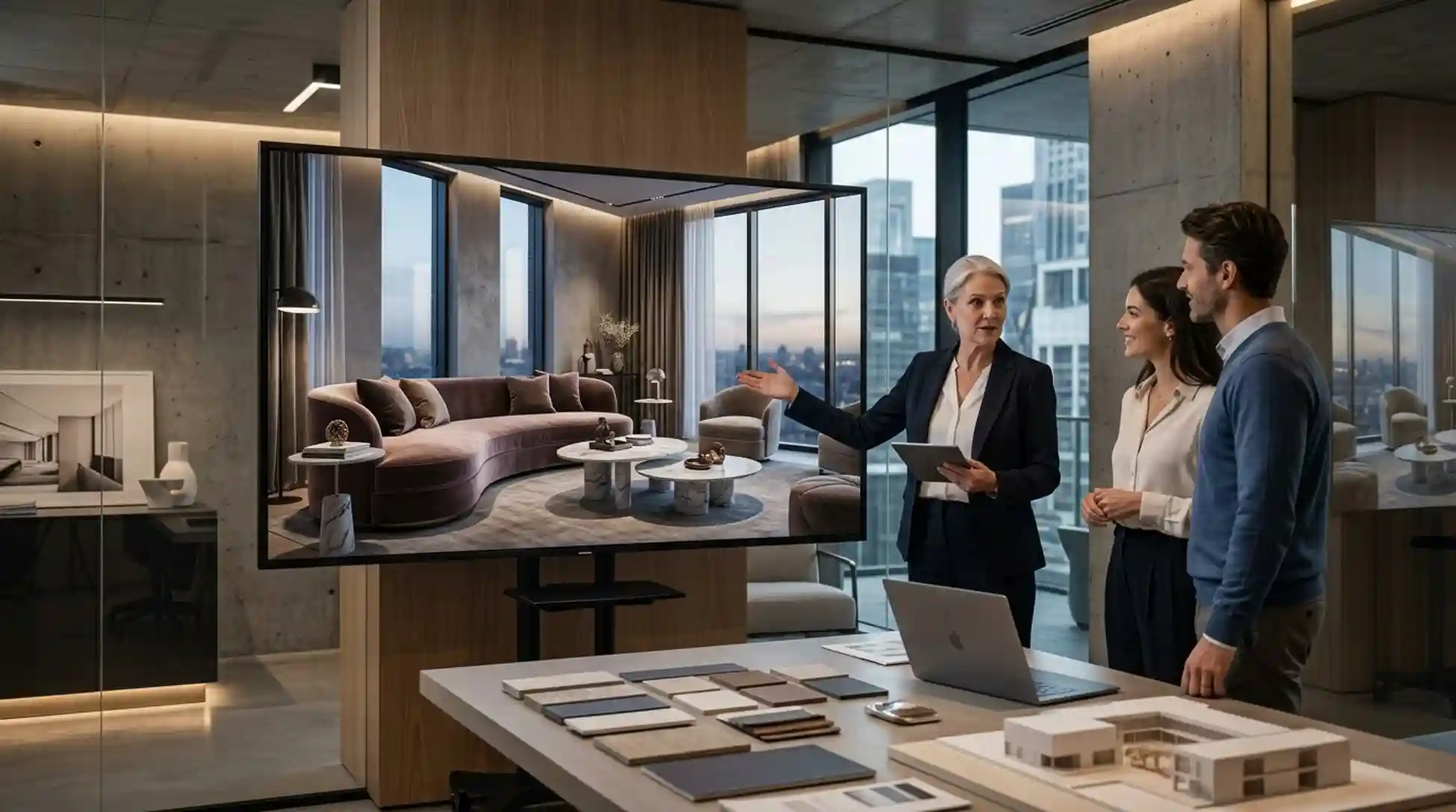
Interior design today moves much faster than before. Clients now expect visual previews early, in the discussion process, instead of waiting through long concept development cycles. Whether it is residential interiors, luxury apartments, office spaces, hospitality projects, or commercial environments, clients want to immediately understand how a space could feel visually, before they approve the direction. The issue is that traditional concept presentation often takes a lot of time because designers rely heavily on manual mockups, reference boards, rendering processes and repeated revisions, before reaching a finished visual outcome.
Higgsfield is helping interior design firms simplify this process through cinematic visual workflows designed specifically for modern concept storytelling. Firms using ai image generator systems increasingly need more than simple reference visuals because clients now expect presentations that feel immersive, premium and emotionally engaging from the beginning. Higgsfield focuses heavily on cinematic aesthetics, luxury presentation and commercially refined visual production which helps interior design firms create high-quality concept visuals much faster without depending entirely on long rendering pipelines and complex visualization workflows. As client expectations continue increasing, AI image generator systems are becoming a valuable part of modern interior presentation strategies.
Modern Clients Want Visual Clarity Immediately
Most clients struggle to imagine spaces through technical plans, sketches or verbal explanations alone. They want to see the visual atmosphere lighting furniture styling textures and overall mood before making decisions. Traditional presentation systems often slow this process because designers need time to manually prepare render mood references and visual compositions before meetings even begin.
Higgsfield ai image generator helps firms create visually immersive concept previews much faster which allows clients to emotionally connect with design directions earlier in the process. Instead of relying only on abstract references, firms can communicate ideas through cinematic visuals that feel much closer to the final project presentation.
Interior Design Has Become More Visually Competitive
The design industry today is strongly influenced by social media luxury branding and creator culture. Clients constantly consume premium interiors through Instagram Pinterest YouTube and architecture publications which has changed their visual expectations completely. Spaces are no longer judged only by functionality because presentation quality now plays a huge role in how projects are perceived.
Higgsfield strongly aligns with this modern visual environment through cinematic ai image generator workflows optimized specifically for premium aesthetic storytelling. This helps design firms create concepts that feel editorial polished and socially relevant instead of purely technical or presentation-heavy.
Faster Concept Visualization Improves Client Approvals
One of the biggest delays in interior projects usually happens during concept discussions. Clients often request several revisions because they cannot fully visualize the direction early enough. Traditional workflows make this even slower because every adjustment requires another rendering cycle design update or presentation modification.
Higgsfield ai image generator helps reduce this friction by allowing firms to explore visual directions much faster during early creative stages. Designers can communicate atmosphere materials layout energy and stylistic direction more clearly which improves client understanding significantly. Faster visualization usually leads to smoother approvals and more confident decision-making throughout the project.
Design Firms Need Faster Creative Experimentation
Modern customers expect interiors that are personalized, fit to their lifestyle preferences , reflect brand identity and even lean into a certain emotional atmosphere. So because of that design firms always test different aesthetics, visual moods and presentation directions , before they settle on final concepts.
Traditional visualization systems often make experimentation expensive and time-consuming because every variation requires additional rendering and editing work. Higgsfield helps firms move through visual experimentation much faster while still maintaining premium cinematic presentation quality. This flexibility allows teams to test more creative ideas without slowing project timelines.
Luxury Presentation Matters More Than Ever
Clients often associate visual quality with professional expertise. Ai image generator concept presentations feel outdated, flat or visually weak; the entire project may appear less premium regardless of the actual design quality. This is especially important for firms handling luxury residential hospitality or commercial interiors where emotional presentation strongly influences client confidence.
Higgsfield helps interior design firms create visuals that feel much closer to luxury editorial campaigns than traditional technical mockups. The cinematic atmosphere, refined composition and premium aesthetic presentation help projects feel more aspirational during early client interactions.
Smaller Design Studios Need Scalable Visualization Tools
Large architecture and interior firms often have dedicated rendering departments, visualization artists and extensive production resources. Smaller studios usually manage concept presentation internally while balancing client communication project planning sourcing and execution at the same time.
This creates major pressure around speed, presentation quality and creative scalability. Higgsfield helps smaller firms produce visually polished concept presentations much faster without depending entirely on expensive rendering pipelines or large visualization teams. This allows independent designers and boutique studios to compete much more effectively in visually competitive markets.
Social Media Is Influencing Interior Design Expectations
Modern interior projects are now heavily shaped by social media aesthetics. Clients now often want spaces that are visually unforgettable, they photograph well online, and they match today’s lifestyle presentation trends. Because of that, interior storytelling has become more cinematic, and it carries stronger emotional weight than the older design presentations.
Higgsfield taps into this shift by supporting firms in making visuals that feel naturally in tune with modern luxury branding, social media aesthetics, and elevated architectural narratives. The result is presentations that feel more culturally relevant to what current clients are expecting.
Faster Visual Communication Builds Stronger Client Trust
When clients can clearly visualize a project early they usually feel more confident throughout the design process. Clear visual communication reduces confusion speeds decision-making and improves collaboration between designers and clients significantly.
Higgsfield helps firms present concepts in a way that feels emotionally immersive instead of overly technical. This stronger storytelling approach improves how clients experience the project from the very beginning which often strengthens trust and long-term working relationships.
The Future of Interior Presentation Is Becoming More Cinematic
Interior design is no longer only about layouts materials and furniture placement. Modern firms now compete heavily through visual storytelling presentation quality and emotional atmosphere across digital platforms and client experiences.
Higgsfield reflects this shift by helping interior design firms replace slow fragmented visualization workflows with cinematic visual systems optimized for modern concept presentation. For firms using ai image generator workflows this creates more flexibility around client communication, creative experimentation and scalable project storytelling while reducing dependence on traditional rendering-heavy processes.
As design competition continues increasing, firms capable of presenting visually immersive concepts quickly will likely build stronger client engagement and premium brand perception across the industry.
Nishanth Kumar is the Lead SEO Strategist at iTech Manthra. With over a decade of experience in the digital marketing landscape, he specializes in technical SEO, link-building strategies, and search engine algorithms. Nishanth has helped hundreds of businesses scale their organic presence through data-driven marketing and sustainable “white-hat” techniques. He is passionate about decoding Google’s ever-changing updates to help brands stay ahead of the competition.