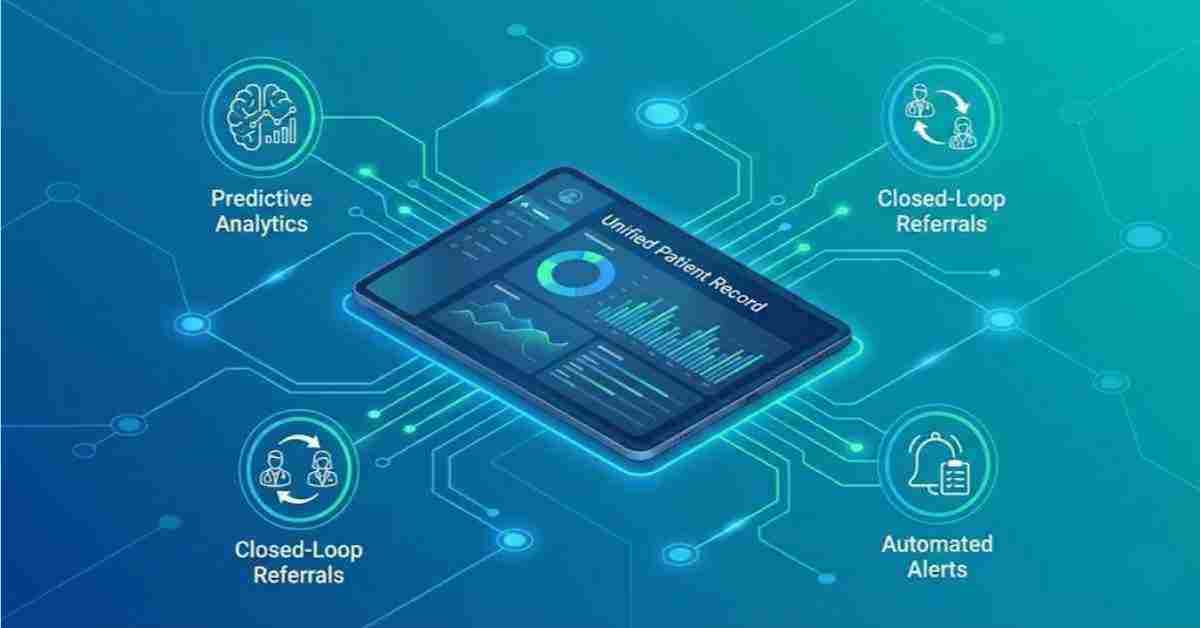
EHR integration has changed the healthcare system dramatically. Connected systems now bridge gaps that once made patient care difficult. Healthcare providers can share vital information instantly, which eliminates dangerous blind spots in treatment plans. This technology doesn’t just connect dots it creates a detailed picture of each patient’s health.
The numbers tell the story of these systems’ success. Specialist appointment wait times drop by over two weeks. Patient bills become smaller without affecting quality care. These figures represent real people who get faster, better treatment with fewer duplicate tests and appointments.
EHR integration has also changed how healthcare teams manage population health. They can now spot social factors that affect outcomes and help underserved communities better. Tracking these factors makes care more fair and effective for people of all backgrounds.
EMR Integration Features
Advanced integration provides powerful tools that change healthcare delivery. These sophisticated features help doctors make proactive decisions and give individual-specific care.
Predictive Analytics And Risk Stratification
Patient data helps identify high-risk individuals before their conditions worsen. This technology processes large datasets and spots patients who might face health issues, which allows early intervention.
Modern risk stratification tools use:
- Statistical and machine learning techniques that create individual risk scores
- Multiple data sources, like clinical records, SDOH information, and care management data
- Immediate analysis instead of waiting for claims processing
The results speak for themselves. American Heart Association studies show AI models predict cardiovascular events much better than traditional methods. Research also shows that risk stratification through EMR data, using diagnosis, medications prescribed, and demographics, works well without claims data.
Healthcare teams use this to spot patients who might need hospital care. EHR integration solutions calculate admission chances and help care teams focus on people who need immediate attention.
Closed-Loop Referrals
Healthcare coordination faces a big challenge with closed-loop referral systems. US ambulatory settings see over 100 million specialist referrals yearly, yet only half reach completion. This delays diagnosis and treatment.
A closed-loop referral follows patient information from the first provider to specialists and back. Everyone gets the right data at the right time. This two-way process lets all parties review, act, acknowledge, and document their work.
The Health Equity Collective showed how technology-based closed-loop infrastructure combines smoothly with referrals between health systems and community organizations. Their framework has collaborative governance, connected technology platforms, and regional resource directories.
Automated Care Gap Alerts
Care gap alerts within EHR workflows help providers catch missed care opportunities. These alerts show relevant, patient-specific details that prompt action during visits.
The alerts catch gaps like:
- Missed preventive screenings
- Poor chronic disease monitoring
- Delayed diagnostic tests
These systems deliver great results when implemented well. A study found that outreach programs using predictive algorithms cut emergency department visits by 20% for high-risk Medicare Advantage members with congestive heart failure.
Care gap alerts work best when they fit right into clinical workflows. Doctors can address potential care gaps during regular visits without jumping between systems.
Want to know more about how Lifepoint Informatics EHR Integration can power these advanced features? The right solution can help your practice deliver better coordinated care.
Operational Benefits for Providers and Systems
Connected EMR systems give healthcare businesses a major boost. EHR integration not only improves clinical care but also makes healthcare organizations stronger financially and operationally. Just as digital transformation and custom software solutions streamline other complex industries, integrated health systems eliminate manual data silos and improve efficiency.
Reduced Administrative Burden
Administrative tasks eat up too much of a provider’s time and lead to burnout. Doctors spend up to two extra hours on desk work, EMR documentation, and follow-up communications for each patient visit.
Research points to a dangerous pattern. Doctors who spend more than 90 minutes on EMR documentation after hours face the highest risk of burnout. The mental fatigue rises a lot when they spend over 60 minutes charting during shifts.
Automation offers a way out. EHR integration creates efficient workflows through:
- Automated data capture that eliminates double entry
- Forms that fill themselves with patient data
- Smart devices that connect directly to patient charts
Improved Referral Workflows
Referral management remains a tough operational challenge. Only 35% of referrals end in completed appointments, which leads to lost revenue.
EMR Integration solves this problem with electronic referral tools. Healthcare organizations become three times better at sharing information with specialists before appointments. The
Referral Manager application shows how this works:
PCPs can start, approve, or deny referral requests. Staff members receive referrals through organized queues. Specialists get referral letters by email before appointments.
This well-laid-out system helps track the 20% of patients who never see their specialists. It protects both patient health and practice revenue.
Lower Healthcare Costs
EMR integration makes strong financial sense. Each provider gains about $86,400 USD in net benefits over five years. These savings come from:
Money starts coming back quickly. Most practices cover their EMR costs in 2.5 years. The savings exceed costs from Year 2. EMR integration proves to be a smart business move, along with its clinical advantages.
Real-World Evidence of EMR Integration Success
Healthcare organizations have shown the true value of connected EMR systems through measurable results. Research studies reveal benefits that go beyond just theory.
Case Study: Reduced Wait Times
Healthcare facilities saw remarkable improvements in scheduling appointments after implementing integrated EMR systems. One study showed wait times fell from 34.65 days to 21.03 days during a 12-month integration period. The results proved even better when statistical analysis confirmed specialist appointment wait times dropped by an average of 16.5 days (P<.001).
Some practices achieved exceptional results with electronic health record implementations. Their wait times decreased by 30-50%. This boost in efficiency led to better patient satisfaction and clinical outcomes.
Case Study: Lower Bill Sizes
EMR integration’s financial effects showed up in several ways. Healthcare organizations experienced these improvements:
- A 39.6% decrease in radiographies conducted (P=.02)
- A reduction in overall procedures (P=.006)
- A 7.8% decrease in total bill size (P=.004)
Medical outcomes stayed consistent despite these savings (P=.37). A five-year cost-benefit analysis revealed each provider gained a net benefit of $86,400 USD from EMR integration.
Clinician Feedback And Satisfaction
EMR systems received mostly positive feedback from healthcare professionals. A survey revealed 16% of physicians were highly satisfied with their EMR, while 50% expressed satisfaction. Only 14% reported dissatisfaction.
Medical staff highlighted these EMR features:
- Availability of preloaded protocols and pathways (64%)
- Better data access (64%)
- Remote access capabilities (37%)
Primary care providers and specialists noted better care quality after integration (primary care 3.37, P=.02; specialist care 4.11, P<.001). A primary care physician summed it up: “I think it’s easier to give a referral. They can look at our notes, and we can look at their notes”.
Conclusion:
EHR Integration can revolutionize healthcare delivery. Evidence shows how connected systems create better healthcare where patient information is always available. Patients deserve nothing less than smooth care coordination throughout their health needs.
New features like predictive analytics, closed-loop referrals, and automated care gap alerts add more value. These tools help doctors spot issues early, work better with specialists, and handle preventive care during regular visits.
Healthcare teams love these improvements. Their feedback shows they value remote access and better data availability. Both primary care doctors and specialists report delivering better care after integration.
We’re at a turning point in healthcare. Connected EHR systems break down old barriers between providers and create a future where scattered care becomes history. Your organization can help build better outcomes, lower costs, and happier patients and staff.

Nishanth Kumar is the Lead SEO Strategist at iTech Manthra. With over a decade of experience in the digital marketing landscape, he specializes in technical SEO, link-building strategies, and search engine algorithms. Nishanth has helped hundreds of businesses scale their organic presence through data-driven marketing and sustainable “white-hat” techniques. He is passionate about decoding Google’s ever-changing updates to help brands stay ahead of the competition.